
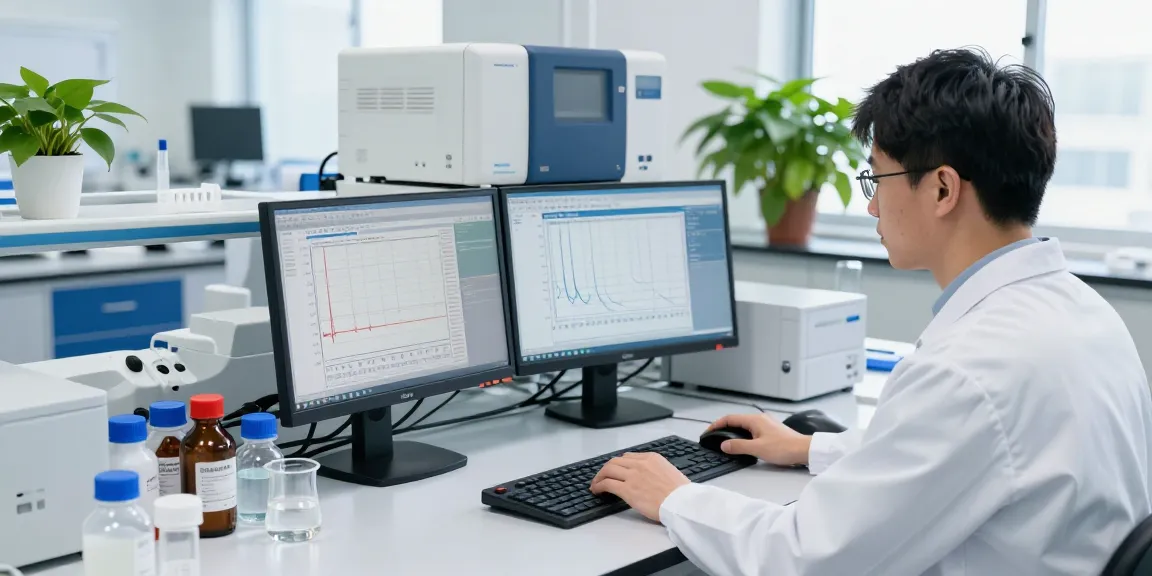
Understanding Aegean Labs Peptide Testing
Peptide testing is a critical component in the world of biopharmaceuticals and research. This specialized process ensures the integrity and efficacy of peptides, which are vital for a range of applications, from therapeutic solutions to cutting-edge research. Aegean Labs Peptide testing is at the forefront of this field, offering state-of-the-art analytical services designed to meet the highest global standards.
What is Peptide Testing?
Peptide testing refers to the analytical methodologies used to assess the purity, identity, and functional attributes of peptide samples. Peptides, which are short chains of amino acids, serve as the building blocks of proteins and play crucial roles in various biological processes. Given their applications in pharmaceuticals, cosmetics, and research, the necessity for meticulous testing cannot be overstated.
The Importance of Purity in Peptide Analysis
Purity is a determining factor in the effectiveness of peptides. Impurities can alter the physiological effects of a peptide, potentially leading to adverse reactions or reduced therapeutic efficacy. For researchers and manufacturers, ensuring the purity of peptide samples is paramount, as it directly impacts the reliability of experimental results and product safety.
Typical Methods Used in Peptide Testing
Common methods of peptide testing include High-Performance Liquid Chromatography (HPLC), Mass Spectrometry (MS), and Endotoxin Testing. Each method serves a unique purpose and contributes to a comprehensive evaluation of peptide quality. By employing these techniques, Aegean Labs ensures that every peptide meets stringent quality standards.
Methodologies and Technologies Utilized
Aegean Labs leverages advanced analytical technologies to provide unparalleled precision in peptide testing. Their ISO 17025-aligned laboratory systems ensure that all methodologies employed are in accordance with international standards, enhancing the credibility of their testing results.
High-Performance Liquid Chromatography (HPLC)
HPLC is a cornerstone technology in peptide analysis, known for its ability to separate and quantify peptide mixtures with remarkable accuracy. This method uses a liquid chromatograph to pass a sample through a column filled with stationary phase material, allowing for the precise separation of peptides based on their chemical properties. Aegean Labs utilizes HPLC with UV detection at 214nm, tailored for optimal peptide separation.
Mass Spectrometry for Identity Confirmation
Mass Spectrometry (MS) is essential for confirming the identity of peptide samples. By measuring the mass-to-charge ratio of ionized particles, MS provides invaluable information regarding the molecular structure and composition of peptides. It can effectively identify and characterize target compounds, ensuring that the correct substance is being analyzed.
Endotoxin Testing and Its Significance
Endotoxin testing is crucial for ensuring that peptide products are safe for use, particularly in pharmaceutical applications. Low levels of endotoxins, which are toxic substances from bacterial cell walls, can provoke harmful immune responses. Aegean Labs employs LAL assay methods with extreme sensitivity (up to 0.005 EU/mL) to meet pharmaceutical-grade compliance.
Deep Dive into Reporting and Verification
At Aegean Labs, the clarity and detail of the reporting process are just as important as the testing methodologies themselves. Each report is meticulously constructed to provide clients with a full narrative regarding their sample’s analysis.
Components of Aegean Labs Testing Reports
Testing reports from Aegean Labs include several critical components that outline the sample’s journey through testing. These components are designed to enhance understanding and facilitate informed decisions by clients. Reports typically feature HPLC chromatograms, MS identity data, method details, sample preparation notes, analyst information, and batch matching data.
Understanding HPLC Chromatograms
HPLC chromatograms are visual representations of the separation profile of a peptide during analysis. These diagrams display the retention time of each component, allowing analysts to assess purity by comparing peak areas. Understanding these chromatograms is vital for interpreting the data accurately and ensuring proper quality control of peptide samples.
Verification System: Ensuring Report Authenticity
Aegean Labs implements a robust verification system that assigns unique verification IDs to every report issued. This system provides clients with an instant method to validate the authenticity of their results, ensuring confidence in the accurate representation of their peptide testing outcomes.
Common Challenges and Best Practices
Peptide testing is complex and can present various challenges. Understanding these challenges and adopting best practices can significantly improve the reliability and quality of results.
Addressing Misconceptions in Peptide Testing
One common misconception in peptide testing is the belief that all testing facilities provide the same level of quality and accuracy. However, differences in methodology, equipment, and regulatory compliance can lead to significant discrepancies in results. It is essential for stakeholders to choose reputable laboratories like Aegean Labs that adhere to international standards.
Best Practices for Sample Handling
Proper sample handling is crucial for obtaining accurate results in peptide testing. Best practices include maintaining controlled temperature conditions, avoiding contamination, and ensuring that samples are prepared and stored correctly. By adhering to these protocols, clients can enhance the integrity of their peptide analysis.
Improving Communication with Aegean Labs
One of the keys to successful peptide testing lies in establishing effective communication with the testing laboratory. Clients are encouraged to ask questions and clarify any doubts regarding the testing process, methodologies, and expected outcomes. Aegean Labs is committed to transparency and is readily available to assist with inquiries throughout the testing process.
Future Trends in Peptide Testing
The landscape of peptide testing is rapidly evolving, driven by advancements in technology and a deeper understanding of peptide functionalities. Aegean Labs is committed to staying ahead of these trends to provide the best analytical services possible.
Emerging Technologies in Analytical Testing
Future advancements in analytical testing will likely center around automation, enhanced sensitivity, and quicker turnaround times. Technologies such as AI and machine learning are being incorporated into laboratories to improve data analysis and facilitate faster decision-making processes.
Predictions for 2026 and Beyond
By 2026, it’s expected that peptide testing will become even more sophisticated, with increased emphasis on personalized medicine and individualized therapy solutions. Advancements in genomics and proteomics will also propel the evolution of peptide analytical methods, creating new opportunities for innovation.
How Aegean Labs is Innovating
Aegean Labs is at the forefront of these innovations, continuously refining methodologies and integrating cutting-edge technologies to enhance testing precision and efficiency. Their focus on quality assurance and adherence to international testing standards ensures that clients receive reliable and actionable data.
What are the benefits of Aegean Labs Peptide testing?
Clients of Aegean Labs benefit from a number of critical advantages, including access to state-of-the-art testing facilities, personalized service, and comprehensive reporting that promotes transparency and assurance of quality. The laboratory’s commitment to ISO 17025 standards guarantees that results are not only trustworthy but also aligned with global expectations.
How to interpret HPLC results accurately?
Interpreting HPLC results requires an understanding of chromatography principles, peak identification, and baseline noise analysis. It is important for users to familiarize themselves with reading chromatograms, differentiating between main peaks and possible impurities, and assessing the overall quality of their peptide samples.
What are the regulatory requirements for peptide testing?
Regulatory requirements for peptide testing can vary based on geographical location and intended use. Generally, compliance with Good Manufacturing Practices (GMP), as well as adherence to ISO standards, is crucial for labs conducting peptide tests. Stakeholders must remain informed about these regulations to ensure that their products meet all necessary safety and efficacy guidelines.
How can I request a sample report?
Requesting a sample report from Aegean Labs is straightforward. Clients can contact the laboratory directly, specifying their interest in a sample report. Aegean Labs is dedicated to providing prospective clients with insights into their reporting processes to facilitate informed decision-making.
What are the costs associated with peptide testing?
The costs for peptide testing can vary depending on multiple factors, including the complexity of the tests required, the volume of samples, and specific client needs. Aegean Labs works closely with clients to provide customized quotes based on individual project specifications, ensuring that transparency in pricing is maintained.